
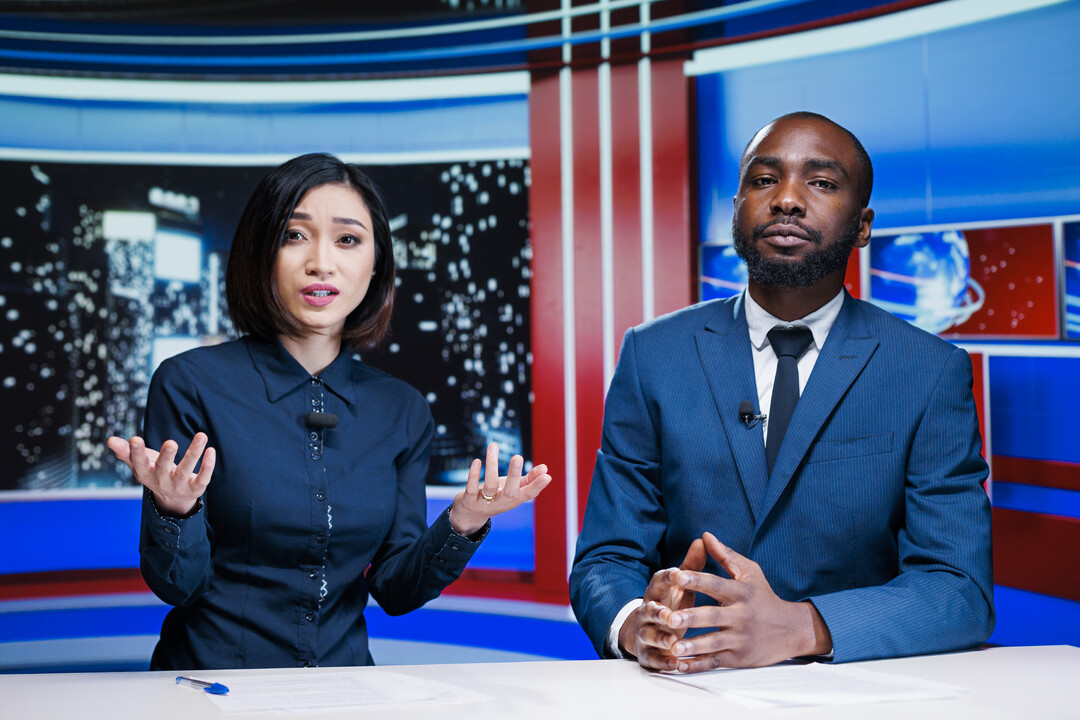
Previously, we’ve shared tips for successfully navigating media interviews, however, your conduct after the fact is equally important. A misstep can tarnish your reputation and strain relationships with reporters. Leveraging insights from our media contacts as well as former journalists who are part of our team, we’ve compiled a list of the most common post-interview “don’ts” so that you can avoid them.
As tempting as it may be to ask a journalist to review an article or broadcast segment prior to it going live, it is one of the biggest pet peeves of reporters across the board. Making such a request implies a lack of respect for the journalist’s integrity – it suggests that you don’t trust them to report accurately or fairly.
Most outlets have strict policies against allowing pre-publication reviews, so even if the reporter was open to it, doing so could cost them their career.
Plus, in the words of one of our contacts, “We don’t have time for that, we are always on deadline. If there is a quote or detail we aren’t sure about, we’ll ask you.”
With the above in mind, it is essential to be responsive post-interview to ensure that any follow-up questions are addressed in a timely manner. Delays can cause frustration and may lead to your information being excluded from the final piece.
“Sometimes I don’t realize I need clarification until I’m in the middle of a piece and my deadline is creeping up on me,” said one multimedia journalist. “It is helpful when a source responds quickly, because then I don’t have to worry about leaving things out or getting something wrong.”
If you’re unable to provide the requested details immediately, be transparent. Let the reporter know when they can expect a proper response and understand that they may not have time to wait.
Once the interview has been published, don’t ask the journalist to correct something that isn’t factually incorrect just because it doesn’t align with your preferences. This can be perceived as an attempt to manipulate the content and undermines the journalist’s credibility. Accept the editorial perspective and understand that not all coverage will be exactly how you want it. Only request corrections for factual inaccuracies, not for content that is merely unflattering.
“I think I can speak for the majority of journalists when I say that we hate getting things wrong. If we do, we are willing to correct our mistakes. However, if you said something that doesn’t look so great in print and I quote you, that is NOT my mistake to correct,” said a business reporter in our network.
Once the article is published, don’t make the mistake of ignoring the journalist’s work. Failing to acknowledge them for positive coverage can seem ungrateful and unprofessional. Thank them for the coverage and let them know you appreciate their time.
“There were multiple instances where I worked really hard on what I thought was a great story, sent them a link and received no response,” said one of our strategists, who previously worked in print. “That always bothered me. A ‘hey thanks’ would have been nice.”
Additionally, we strongly recommend sharing a link on your social media channels, website and newsletters, tagging the publication and journalist to show your appreciation and extend the reach of their work. However, this does not mean copying and pasting an article onto your website or LinkedIn profile, which brings us to our final, and most important post-interview “don’t.”
When we mentioned sharing your media placements, we were not talking about pasting them into your blog or LinkedIn profile. Reproducing an article or using imagery without explicit permission is a quick way to alienate reporters and lead to problems for your company. First, you are infringing on the outlet’s copyright. It does not matter if you are the centerpiece of the story, they created it and, therefore, own it.
Aside from opening the door to a potential lawsuit, unauthorized reproduction undermines the value of journalism. Print publications, especially, rely heavily on page views for advertising revenue. By diverting traffic away from the outlet, you are contributing to the financial challenges that the industry is facing. One of our connections, a regional newspaper editor, offered the following perspective:
“Our photos and articles end up on social media or business websites all the time, usually with no attribution and almost always without a license. When you do that, you are basically stealing from us. Not a good look.”
Depending on the publication, you may be able to feature a portion of the article with proper attribution, but to minimize risk we suggest simply linking directly to the outlet. Taking that approach lets the reporter know you value the time and effort that went into the piece.
The tips provided here are just part of what we cover during our media training sessions. Send us a message or email service@artemia.com to learn more about how you can benefit from a customized executive media training program!
This article is the first in a series on incorporating water efficiency polici...
LEARN MORE
This article is the second in a series on incorporating water efficiency polic...
LEARN MORE
This article is the third in a series on incorporating water efficiency polici...
LEARN MORESign up for our monthly newsletter with our latest offers,hot blogs and much more !


Lets chat via skype to discuss your questions concerns, and project needs
HEADQUARTERS 2001 UNION STREET, SUITE 310 SAN FRANCISCO, CA 94123
PHONE: +14153512227
EMAIL: SERVICE@ARTEMIA.COM
© 2025 ARTEMIA COMMUNICATIONS, INC | PRIVACY POLICY | SITEMAP